
 English
 Čeština
 Français
 Deutsch
 polski
 Español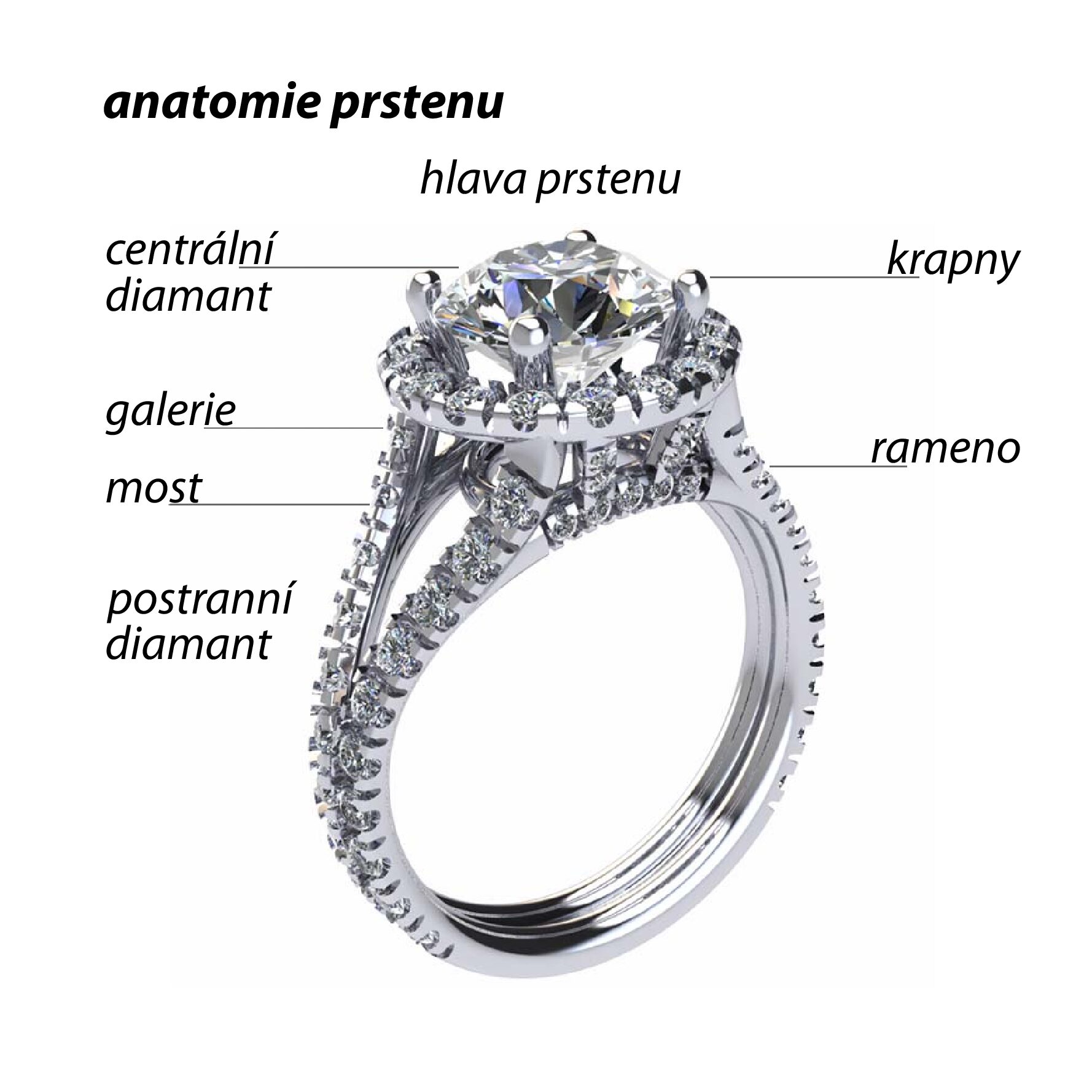
Anatomy of Jewellery
1.7.2025
Anatomy of a Diamond
3.7.2025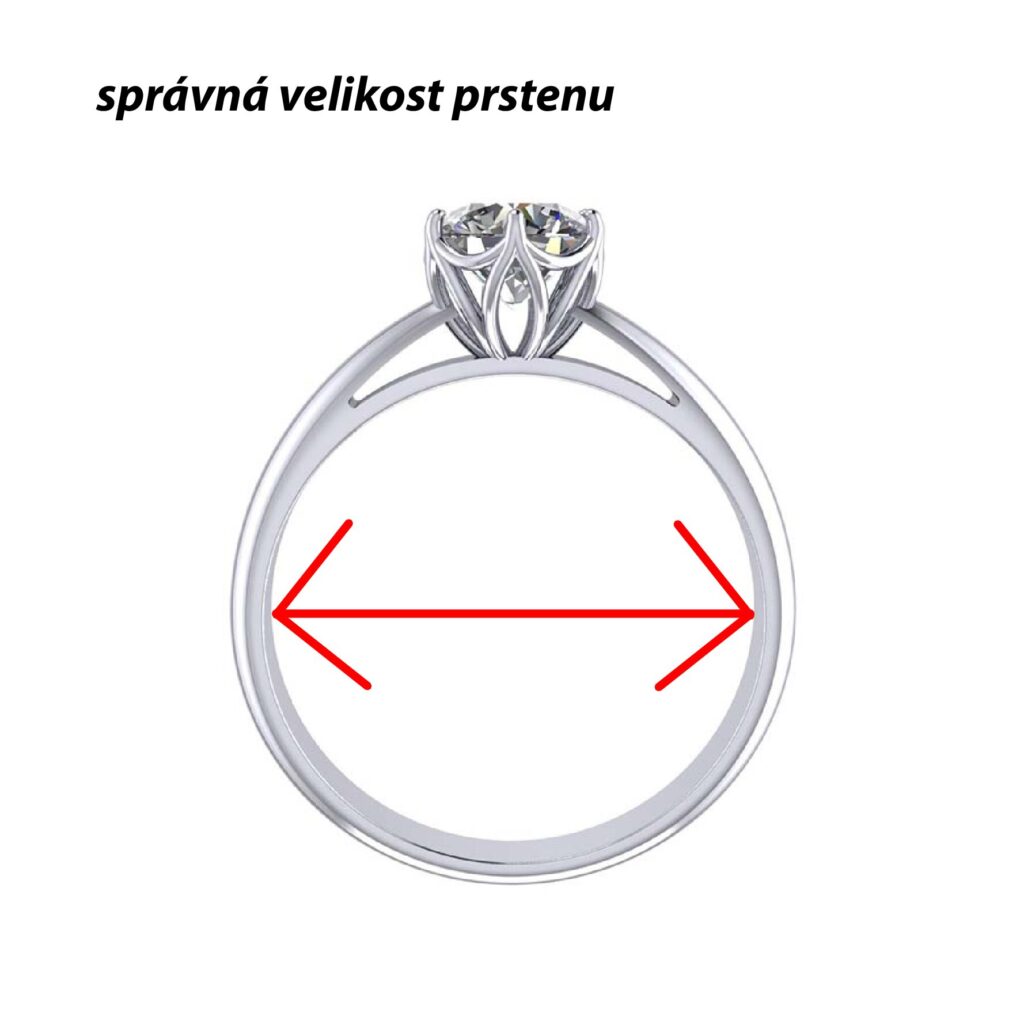
How to choose the size of a ring with a lab-grown diamond?
Choosing the right ring size is a key step when buying a ring with a lab-grown diamond. Choosing the wrong size can mean an unpleasant return or a disappointing gift. In this article you will learn how to measure your ring size accurately, how to convert between European and American sizes, and how to avoid the most common mistakes.
1. Why it is important to know your exact ring size
A ring with a lab-grown diamond that is too tight can be uncomfortable and hard to remove. Conversely, a loose ring can slip off and get lost. The right size ensures comfortable wear of your luxury lab-grown diamond ring while also keeping it securely on your finger.
2. How to measure your ring size correctly
There are two basic ways to measure your finger size for rings from the luxury Sirius collection:
a) Measuring your finger
-
Take a thin strip of paper, a soft tape measure, or a non-elastic thread.
-
Wrap it around the finger where the ring will be worn.
-
Mark the point where the material overlaps.
-
Measure the length in millimetres – this is your finger circumference.
Important: Measure in the evening, when fingers are most swollen, and never after physical activity or in cold weather.
b) Measuring using an existing ring
-
Use a ruler or a calliper.
-
Measure the inner diameter of the ring in millimetres (excluding the band edges).
-
Compare the measured value with the size chart.
3. Converting between EU and US ring sizes
Ring sizes vary by country. In Europe (including the Czech Republic), the inner circumference in mm is used, while in the USA a numeric scale is used.
Here is an approximate conversion table (EU 41–67):
| EU size (circumference in mm) | US size | Inner diameter (mm) |
|---|---|---|
| 41 | 1 | 13.0 |
| 42 | 2 | 13.3 |
| 43 | 2.5 | 13.7 |
| 44 | 3 | 14.0 |
| 45 | 3.5 | 14.3 |
| 46 | 4 | 14.6 |
| 47 | 4.25 | 15.0 |
| 48 | 4.5 | 15.3 |
| 49 | 5 | 15.6 |
| 50 | 5.25 | 15.9 |
| 51 | 5.75 | 16.2 |
| 52 | 6 | 16.5 |
| 53 | 6.5 | 16.9 |
| 54 | 7 | 17.2 |
| 55 | 7.25 | 17.5 |
| 56 | 7.5 | 17.8 |
| 57 | 8 | 18.1 |
| 58 | 8.5 | 18.5 |
| 59 | 9 | 18.8 |
| 60 | 9.5 | 19.1 |
| 61 | 10 | 19.4 |
| 62 | 10.5 | 19.7 |
| 63 | 11 | 20.1 |
| 64 | 11.5 | 20.4 |
| 65 | 11.75 | 20.7 |
| 66 | 12 | 21.0 |
| 67 | 12.5 | 21.3 |
Tip: If you are between two sizes, it is recommended to choose the larger one – the ring will then go on more easily.
4. Interesting facts about our lab-grown diamond rings:
-
Band width affects the size – wider rings tend to fit more tightly, so it is recommended to choose a size half to one number larger
-
Finger size changes over time – age, temperature, physical activity or pregnancy can temporarily change your finger’s circumference.
5. Common mistakes when measuring size
-
Measuring at an unsuitable time of day
-
Using elastic material (e.g. a rubber band)
-
Inaccurate measurement of the diameter of an old ring
-
Ignoring the width and type of the ring
Choosing the right ring size is not complicated once you know how. Whether you are choosing a ring for yourself or as a gift, always check the size against verified charts and measure your finger the correct way. If you are unsure, feel free to contact us via WhatsApp: +420 777 222 121.
If you are still undecided, send us an inquiry and we will promptly send you an offer you can compare with no obligation.
We look forward to hearing from you soon!
If you have any questions about lab-grown & natural diamonds, feel free to write to us at: info@laboratornidiamanty.cz
Team ULTIMATE-GEMS s. r. o.